Just Do It Week 1

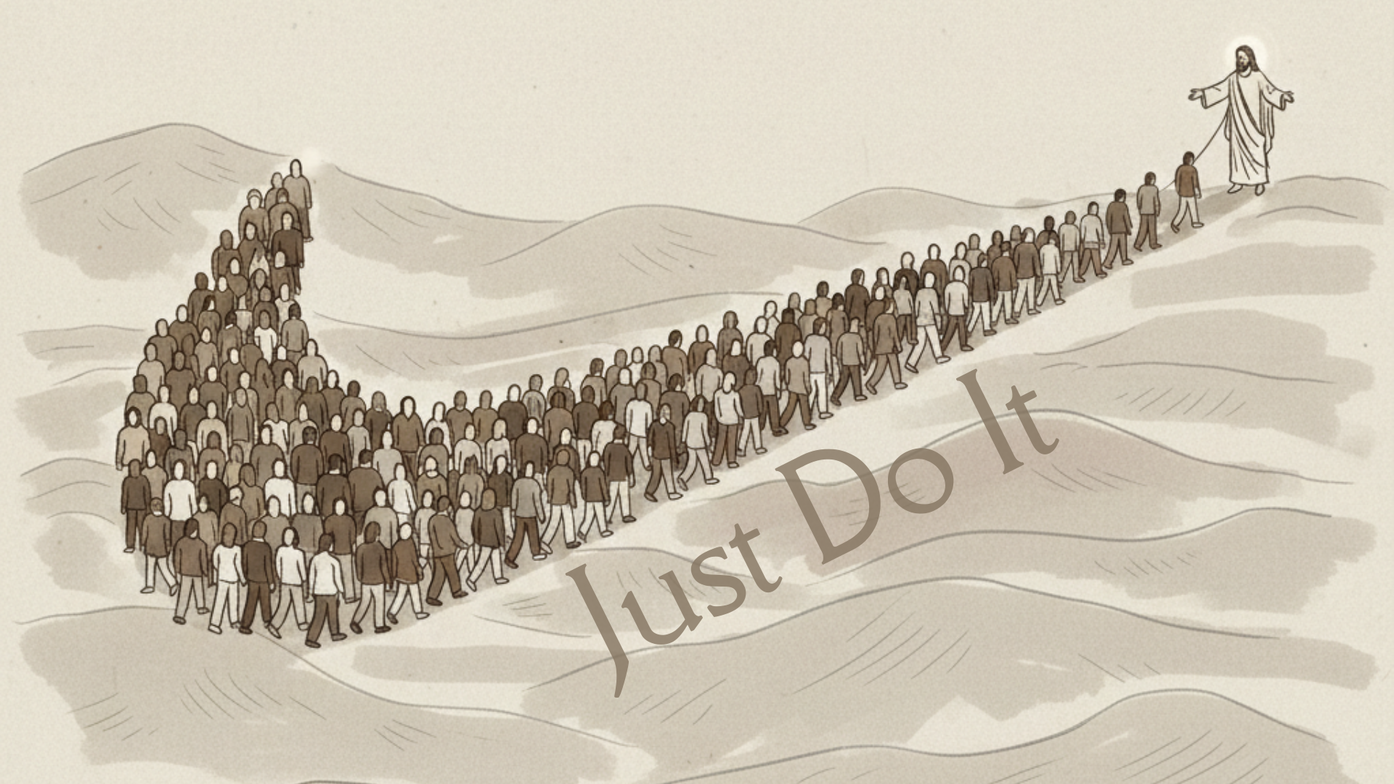
The Book of James opens with a radical invitation: to consider our trials as joy. This isn't toxic positivity or denial of pain—it's a call to decide ahead of time what we believe about God's character before the storms hit. We're reminded that trials aren't a surprise in the Christian life; they're an inevitability that Jesus himself promised. The question isn't whether we'll face hardship, but whether we'll let perseverance finish its work in us. James, writing as a former skeptic turned devoted follower after encountering the risen Christ, challenges us to stop being double-minded—tossed like waves between faith and doubt depending on our circumstances. The wisdom we need isn't found in figuring out why trials happen, but in trusting that God will work good through them regardless. This requires settling certain truths deep in our souls: God's goodness, faithfulness, power, and care must become the solid ground we stand on, not negotiable based on our current situation. When these truths are settled, we can grieve, hurt, and question without losing our foundation. The beautiful paradox James presents is that those the world pities should take pride in their high position as God's children, while those the world envies should take pride in knowing their wealth is fading and their true treasure is Christ alone.